This site is in preview. Enter the password to continue.
This site is in preview. Enter the password to continue.
The weeks after treatment are the hard part.
You’ve done the work. Now you need somewhere to keep going: a place that keeps you honest, gets you out the door, and puts good people around you. Fortis House is a sober living home in LA built on structure, community, and a daily routine you’ll actually want to keep.
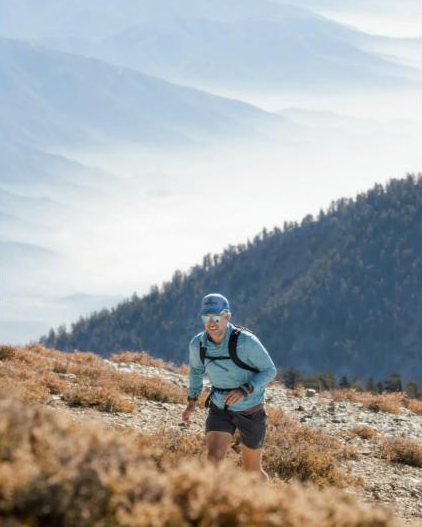

Patrick Armitage, Executive Director
Fortis House was started by a person in long-term recovery, not a company. Patrick has been sober 14 years, and he answers the phone himself.
I destroyed my body with my alcoholism, and I’ve slowly rebuilt it over time. I’m still a pretty average runner, all things considered. But that’s OK. I have to move to keep my sanity and sobriety, and that matters more than any race or mile time.
I attribute my early sobriety to a fantastic sponsor, 12-Step, and a sober fitness community that started in Denver. Overweight and out of shape, I found athletes of all abilities who helped me become the person I’m proud of today.
I started Fortis House to pay back what was given to me, and to build the community of sober athletes I couldn’t find in Los Angeles.
“If you have a body, you are an athlete.”Bill Bowerman
We’re new, and we’d rather be plain about what’s in place than vague about what isn’t. Here is what Fortis House is built on today.

Unlocking the inner athlete.
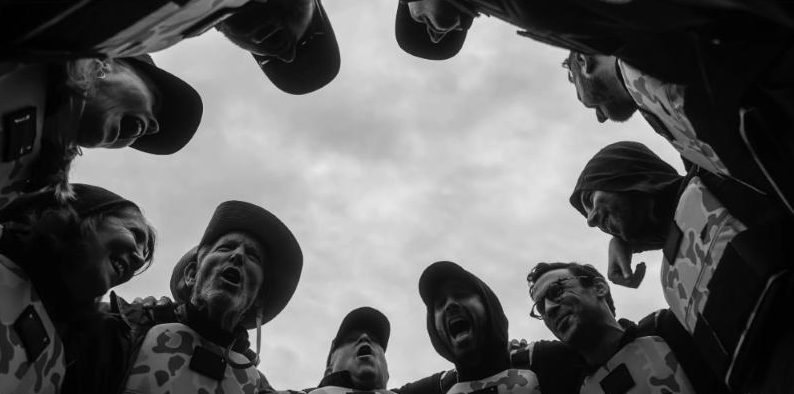
The months after treatment are when your recovery gets tested. You need a home that holds you to a routine, people who notice when you’re off, and something to work toward. That’s what Fortis House is for.
You’ll live, eat, go to meetings, and train alongside the people in the house. Most stay about six months, long enough for new habits to hold.
Your week is planned with you one-on-one: meetings, training, work or school, meals, rest. You’ll always know what today looks like.
You check in, you show up, and people notice. Progress and consistency are tracked, celebrated, and shared with the house.
12-Step is part of daily life, with AA meetings held on site. Movement supports your recovery; it never replaces it.
The only requirement is an interest in movement. Some residents run trails; some start by joining the conversation. Both count.
We build mental, emotional, and physical strength every day. Together with RecoveryFit, which has made movement a core part of recovery programs since 2014, we built a fitness and wellness program around one idea: a strong body supports a steady mind.
You take part from your first week, at your own level. If you haven’t exercised in years, you start by walking and talking. If you’re getting back to competitive shape, we’ll push you. Every activity can be modified, and your plan is built around you.
The first 12 weeks run in three four-week phases covering strength, conditioning, and mobility. After that the training keeps building. Plan on about six months at the house, and residents can stay up to a year.
A one-on-one fitness assessment covers your exercise history, any injuries or limitations, and your goals. No pressure and no judgment, just a baseline to build from.
You’ll follow a structured program where first-timers and former athletes train side by side. Short reflections before each session connect the gym to your recovery: showing up, being honest, following through.
Progress gets tracked, celebrated, and shared. We set personal milestones and regular benchmarks, and we mark consistency as much as results. The work doesn’t stop at week 12: most residents stay about six months, and some stay a year.

RecoveryFit has been bringing structured fitness into addiction treatment since 2014. Founded in Southern California, it now works with treatment centers and sober living programs nationwide, connecting each workout to the 12 principles of recovery. The Fortis program is built with their team.
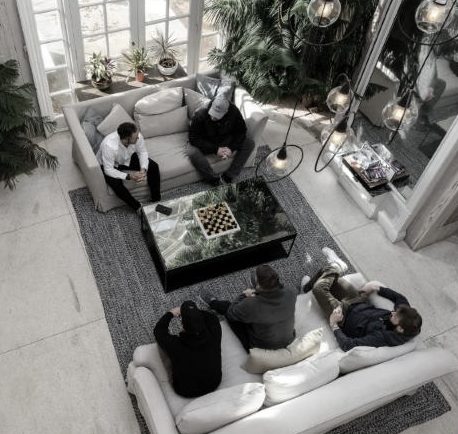
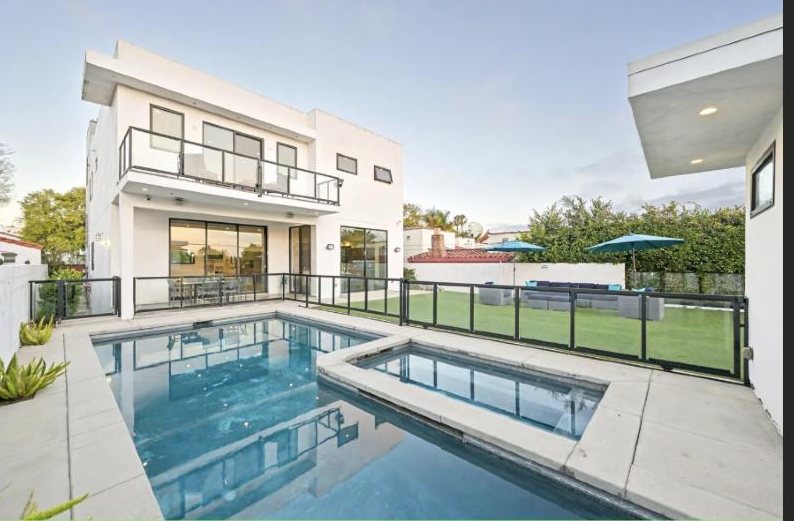
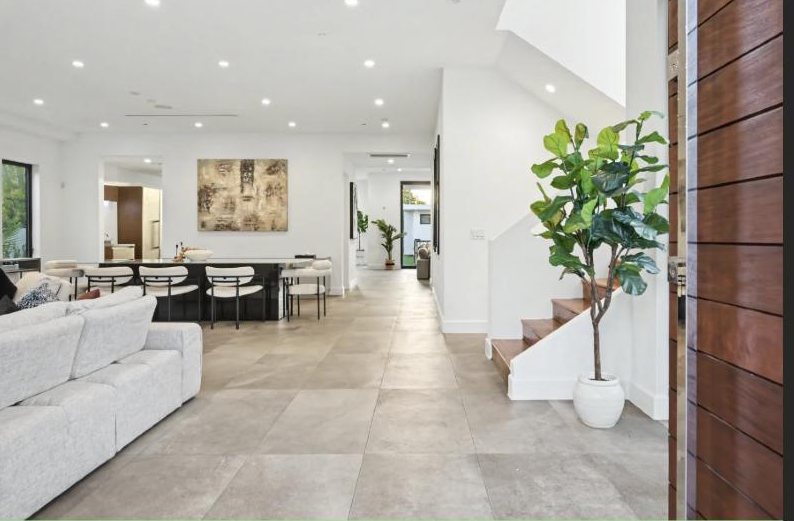
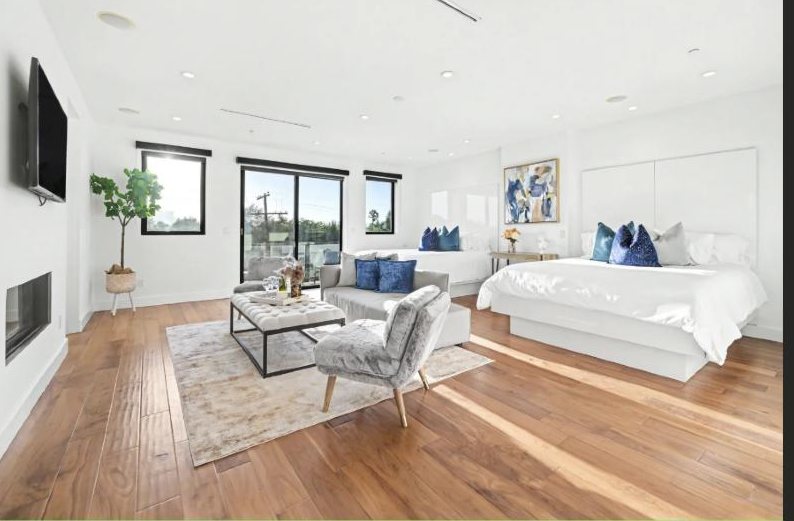
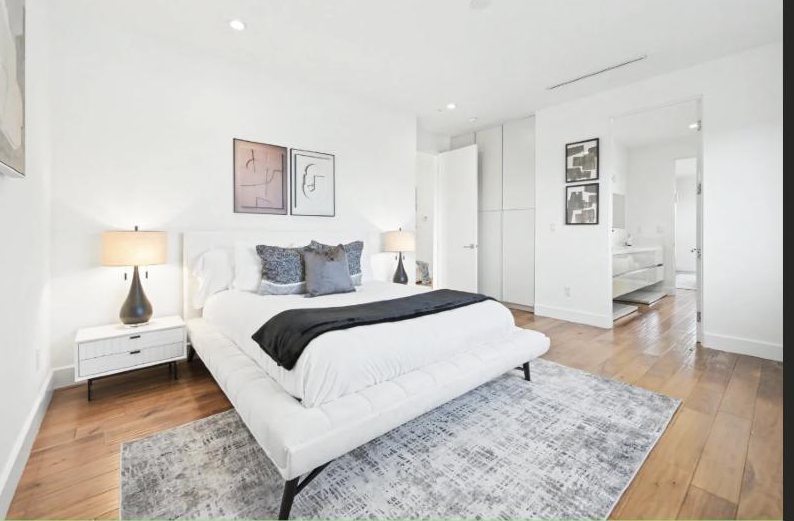
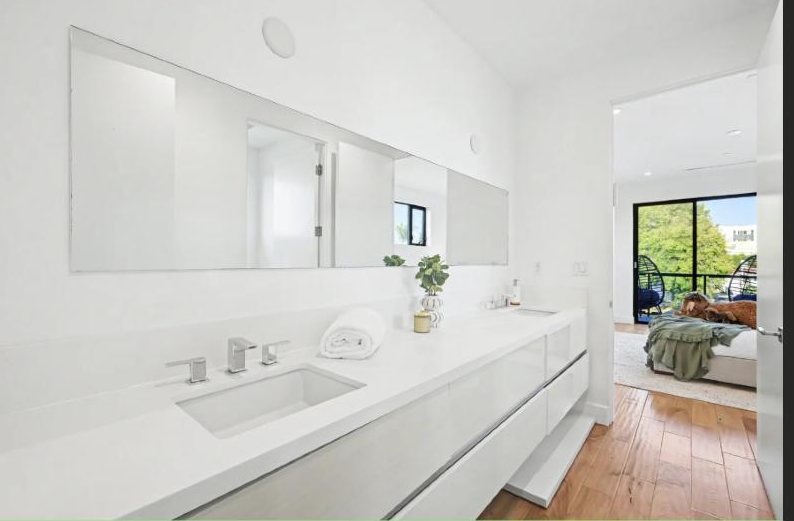
Natural light, high ceilings, and enough space for everyone. The house sits on a quiet residential street just off Pico Boulevard, close to Beverly Hills, West Hollywood, and Culver City.
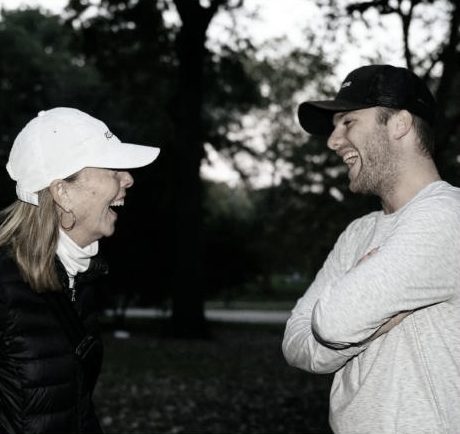
Mornings often start with a hike. Evenings end with dinner outside while the sun sets over the backyard.



If you want your recovery to include your body, you belong here. We believe in:

Choosing a sober living home is a big decision, whether it’s for your son or daughter or for a client leaving your program. Here is what we can tell you now, and we’re glad to walk you through the rest in person.
Real quotes go here as residents finish their first months. Three to start: a parent, a referring clinician, and a resident. Short, first-name only, with permission.
“The first time I visited, my son was laughing. I hadn’t seen that in a year.”
A parent, after a tour“Patrick sends me an update every week without my asking. That’s rare.”
A referring clinician“I came in hating the idea of running. Now I’m the one knocking on doors at 6am.”
A resident, month fourA recent scientific review of aerobic exercise and substance use disorders points to five effects. Fortis House is a sober living home, not a treatment program. Movement is a companion to the clinical care and recovery work you’re already doing, and we build the house around that.
In people recovering from methamphetamine addiction, eight weeks of structured exercise increased dopamine receptor availability in a key reward region.
A 12-week trial of supervised aerobic exercise improved attention, memory, and decision-making. The gains were still there three months later.
A single 30-minute moderate session reduced cravings in one study. For alcohol, nearly half of participants had a meaningful drop after one workout.
Eight weeks of moderate exercise raised β-endorphin and lowered the stress hormone cortisol in people on opioid treatment.
Exercise improves fitness and helps repair some of the toll substance use takes on the heart, lungs, and liver.
Moderate movement: brisk walking, cycling, swimming, easy jogging. Guidelines suggest 150–300 minutes a week, but the first goal is to start and keep going.
Source: “Aerobic exercise for substance use disorders: therapeutic effects and underlying mechanisms,” Frontiers in Medicine, August 2026. General information, not medical advice. Check with your healthcare provider before starting a new exercise program in recovery.
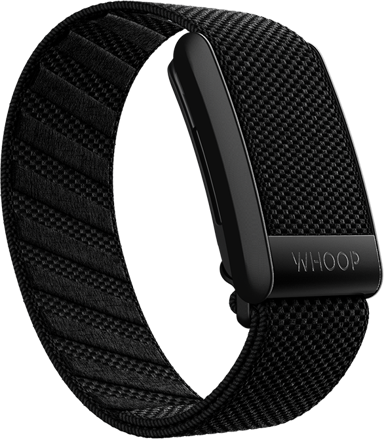
Fitted at move-in. We teach residents to read their own sleep, recovery, and training load, then use those numbers in weekly one-on-one planning to set goals and see progress.
Sample numbers for illustration. Not a real resident’s data.
Call Patrick. No form, no pitch. He’ll tell you honestly whether this is the right fit, and if it isn’t, who to call instead.
Call or send a note, and Patrick will get back to you personally. Ask questions, talk through a situation, or set up a time to see the house.